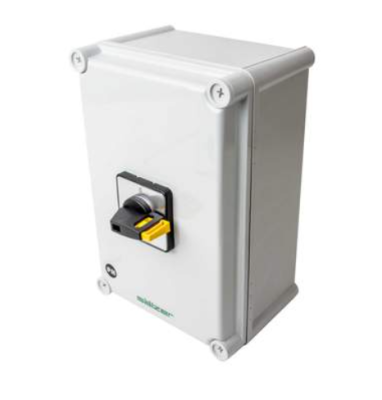
Generator Changeover Switch – 63Amp 2 Pole – 3 Position Manual Transfer Switch


Contact us for free advice for your sizing, installation, and servicing.
Power outages don’t just cut the lights—they disrupt daily routines, halt business operations, and can compromise safety. In those critical moments, a backup generator is essential. But without a way to safely transfer power from the generator to your circuits, even the best generator can’t do its job. That’s where manual transfer switches come in.
Manual transfer switches make it safe and simple to switch power sources in an emergency. With a single flip, you can control the circuits you need most. They’re an ideal solution for homes, businesses, and industrial sites looking for reliable and hands-on backup power.
READ MORE...A manual transfer switch connects your building’s circuits to a backup generator while isolating them from the grid. When the power goes out, it safely cuts off the connection to external power lines, letting the generator supply power directly to your chosen circuits. Without it, power from the generator could feed back into the grid, creating serious safety hazards.
For added flexibility, manual transfer switches allow you to power only the circuits you need. In a home, this could mean essentials like heating, lighting, and refrigeration. In an office, it might prioritise key equipment and security systems. Unlike automatic switches that activate as soon as power is lost, manual switches offer you the freedom to decide when and what to power.
Solent Power provides complete generator transfer switch solutions across the UK. We’re here to make sure you understand your options, choose the right switch, and install it safely for lasting performance.
A manual transfer switch is a device installed between your electrical panel and a generator. When there’s a power cut, you manually switch from the main power source to the generator. That way, you have a dedicated switch that connects your generator directly to your home or business’s circuits.
These switches are typically housed in an all-steel case, ensuring durability and protection from external elements. They are built to withstand wear and tear, making them reliable in critical power outage situations.
While the terms “manual changeover switch” and “manual transfer switch” are often used interchangeably, the manual transfer switch is specifically designed to handle the full capacity of your home or business’s electrical system. It ensures safe isolation from the utility grid, which the manual changeover switch may not do as thoroughly. This distinction is important for safety and compliance.
When a power outage occurs, the manual transfer switch gives you control over where the power goes.
Here’s how it works:
A manual transfer switch offers multiple advantages for both safety and practicality:
When it comes to choosing a transfer switching, it’s essential to understand the differences:
Manual transfer switch:
Automatic transfer switch:
A certified electrician must install a manual transfer switch. An improperly installed switch can lead to hazards, including:
Solent Power provides safe, certified installations under UK standards. Contact us today to learn more about our services.
When installed and operated properly, a manual transfer switch is one of the safest ways to connect a generator to an electrical system. Isolating the generator from the main utility line eliminates the risk of backfeeding—protecting the property and utility workers.
Solent Power’s team can advise on the best manual transfer switch for your specific needs.
For guidance on safely connecting a generator with a manual transfer switch, Solent Power’s experts are ready to help.




Solent Power Ltd (Company Number 12622565) is a company registered in England and Wales. Our registered office is located at Station yard, Bowes Hill, Rowlands Castle PO9 6BP. VAT No. 363504018